You’ve just pulled out your temperature scanner, ready to check for a fever, but are you using it correctly? Many people get inaccurate readings simply because of poor technique, environmental factors, or misunderstanding how their specific device works. Whether you’re monitoring a sick child, screening at work, or checking your own health, knowing how to use a temperature scanner accurately can make all the difference between a reliable reading and a false sense of security.
In this guide, you’ll learn exactly how to use non-contact infrared, temporal artery, and ear thermometers the right way based on clinical standards and manufacturer instructions. By the end, you’ll know how to avoid common mistakes, interpret results correctly, and ensure reliable readings every time you scan.
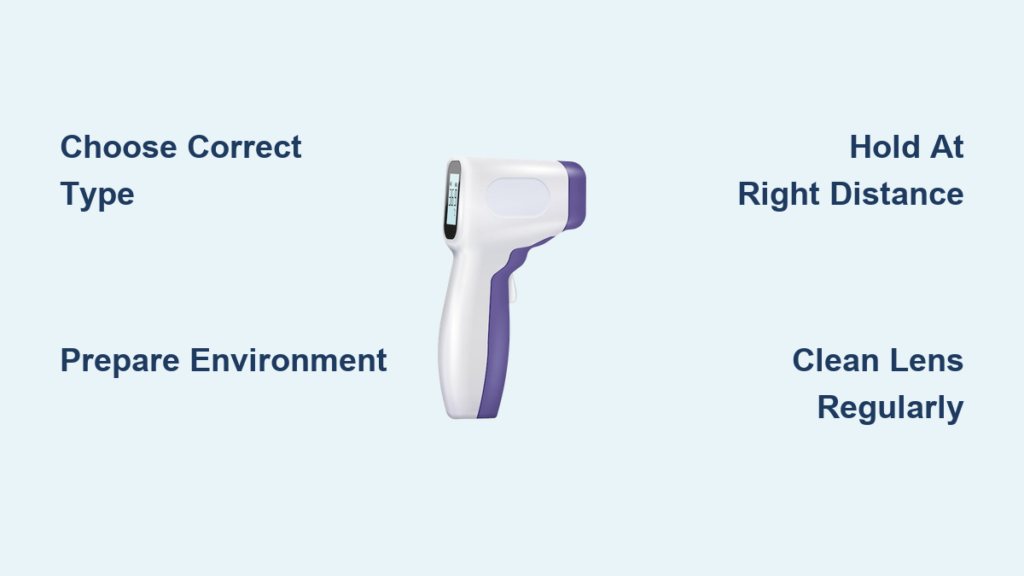
Choose the Right Type of Temperature Scanner
Before using any temperature scanner, you need to understand which type you have. Each operates differently and delivers varying levels of accuracy for different situations.
Non-Contact Infrared Thermometers
These devices measure surface heat from a distance without touching the skin. They are ideal for quick screening in homes, schools, and workplaces. However, they are sensitive to drafts, sweat, and recent activity that can affect readings.
Temporal Artery Thermometers
Also known as swipe thermometers, these devices detect heat from blood flow in the forehead artery. They require contact and a swiping motion across the temple area. These are considered more accurate than non-contact models because they measure arterial blood temperature rather than skin surface temperature.
Tympanic Ear Thermometers
These devices read eardrum temperature via an infrared sensor inserted into the ear canal. They are fast and hygienic when used with disposable probe covers. They work well for infants and children but can be affected by earwax or incorrect insertion angle.
Always confirm your model type before proceeding with any scanning technique.
Prepare the Environment for Accurate Results
The accuracy of your temperature scanner depends heavily on environmental conditions. Scanners detect infrared radiation, which is easily distorted by surrounding factors.
Keep Optimal Room Conditions
Maintain room temperature between 50 and 104 degrees Fahrenheit, which is 10 to 40 degrees Celsius. Eliminate airflow from fans, vents, or open windows that can create drafts. Shield the person being scanned from direct sunlight or heaters that could affect skin temperature.
Let the thermometer acclimate indoors for at least 10 minutes if you brought it from a colder or warmer environment. Cold rooms or wind can cause falsely low readings, even with high-end devices.
Prepare the Person Being Scanned
Body temperature fluctuates naturally based on activity and environmental exposure. Wait at least 30 minutes after exercise, hot or cold drinks, bathing or showering, wearing hats or helmets, or lying on one side of the head before taking a reading.
Ensure the forehead is dry, clean, and uncovered. Sweat or hair can block accurate infrared readings and give you a false result.
How to Use a Non-Contact Infrared Thermometer

Non-contact infrared thermometers are popular for fast, hygienic checks, but proper technique is essential for accuracy.
Insert Batteries Correctly
Open the battery compartment on the back of the device. Insert two AAA batteries with the positive end toward the back and the negative end toward the front. Close the compartment securely. Incorrect polarity may damage the unit or prevent startup.
Power On and Select Body Mode
Press the trigger button to turn on the device. The default mode is usually Body Temperature mode. Use the Set button to toggle between Body Mode for people, Surface Mode for objects like bottles, and Room Mode for ambient air reading on some models.
Always double-check that Body Mode is active before scanning a person.
Hold at the Correct Distance
Distance requirements vary by model. The Braun NTF3000 works up to 2 inches away, while the BNT400 requires a maximum of 1 inch distance. Most other models work best at 1 to 3 inches from the forehead.
Use the aiming light or proximity sensor if available to center the reading on the forehead. Holding too far results in an inaccurate spot measurement, while holding too close risks accidental contact.
Aim and Measure Properly
Hold the scanner perpendicular to the forehead at a 90-degree angle. Target the center of the forehead, avoiding hair or sweat-covered areas. Press the measurement button and wait approximately 1 second for the beep and result.
For self-use, the touch method where you place the sensor directly on the forehead improves stability and accuracy.
Interpreting Non-Contact Infrared Readings
Understanding what your scanner displays is just as important as the scanning technique itself.
Understand Display Feedback
Many models use color-coded icons to indicate temperature ranges. A green face icon indicates normal temperature below 100.4 degrees Fahrenheit. An orange or yellow face suggests slightly elevated temperature. A red face indicates fever at 100.4 degrees Fahrenheit or higher.
You can program these thresholds via the F2 setting in the menu on compatible models.
Know the Fever Threshold
For adults and children, a temperature of 100.4 degrees Fahrenheit or 38 degrees Celsius indicates fever. Keep in mind that forehead readings may be 0.5 to 1 degree Fahrenheit lower than core body temperature.
If fever is suspected, confirm the reading with an oral or rectal thermometer for more accurate core temperature measurement.
Review Memory Readings
Most models store up to 15 past readings. Navigate through memory using the arrow buttons on the side of the unit. Basic models do not include timestamps, so record readings with dates and times if tracking fever trends.
How to Use a Temporal Artery Thermometer
Temporal artery thermometers offer hospital-grade accuracy by measuring blood flow temperature along the artery in the forehead.
Locate the Temporal Artery
The temporal artery runs from the center of the forehead to the temple area. It reflects core body temperature because it connects directly to the heart via the carotid artery. This is why swipe thermometers are more reliable than spot-check devices.
Perform the Full Scan Correctly
Place the probe at the center of the forehead and press and hold the scan button. Swipe straight to the hairline at the temple without curving downward toward the ear. At the temple, lift slightly and touch the soft depression behind the ear to capture residual heat from the end of the temporal artery. Release the button and read the result.
Skipping the ear touch step reduces accuracy, so don’t skip this important final movement.
Trust the Technology
During the swipe, the device takes 1,000 readings per second and selects the highest value corresponding to peak arterial heat. The patented algorithm compensates for sweat and ambient cooling for more accurate results.
Temporal artery thermometers have been validated in over 70 medical studies and are trusted in clinical settings worldwide.
How to Use a Tympanic Ear Thermometer

Ear thermometers provide fast readings, especially useful for children who may not sit still for longer measurements.
When NOT to Use an Ear Thermometer
Avoid ear scanning if there is an ear infection present, blood or discharge from the ear, excessive earwax blocking the view, or if ear drops were used recently. Wait or use the other ear in these situations.
If the person experiences pain during use, stop immediately and try a different method.
Insert Correctly by Age
Technique changes based on age. For adults, pull the ear upward and backward to straighten the ear canal. For infants under one year, pull the ear straight back instead.
This positioning ensures proper alignment with the eardrum for accurate reading.
Measure Safely and Hygienically
Snap on a new Hygiene cap before each use. Gently insert the probe into the ear canal, pointing toward the opposite temple. Hold steady and press the measure button. Wait for the beep, which takes 1 to 2 seconds, then remove the device.
Always discard the cap after use to prevent cross-contamination between users.
Compare Accuracy Across Scanner Types
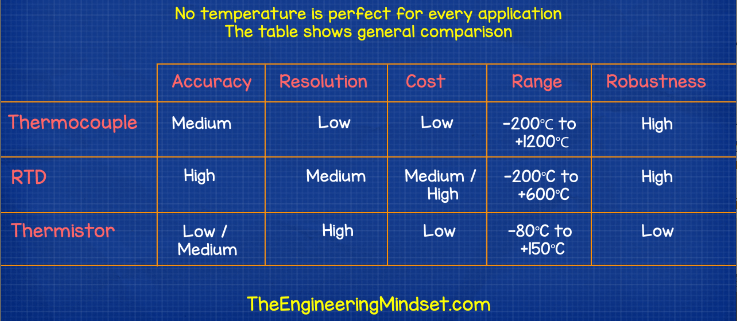
Understanding the differences between scanner types helps you choose the right tool for your needs.
| Feature | Non-Contact | Temporal Artery | Tympanic |
|---|---|---|---|
| Contact Required | No | Yes | Yes |
| Speed | Under 1 second | 3 to 5 seconds | 1 to 2 seconds |
| Accuracy Source | Skin surface | Arterial blood | Eardrum |
| Affected by Drafts | High | Moderate | Low |
| Best For | Screening crowds | Home health | Pediatric use |
Temporal artery scanners are clinically preferred for accuracy without invasiveness in home and clinical settings.
Avoid Common Mistakes
Even the best temperature scanner produces wrong results when users make these frequent errors.
Misreading Environmental Cues
A cold room can cause falsely low readings. A sweaty forehead results in evaporation that cools the skin artificially. Coming inside from extreme outdoor temperatures requires waiting 30 minutes for body stabilization before accurate measurement.
Wipe the forehead dry and wait if any of these conditions apply.
Poor Technique Errors
Holding the device at an angle targets the wrong area of the forehead. Measuring too quickly after exercise gives false normal readings. Using Surface Mode instead of Body Mode results in wrong calibration for human temperature.
One study found up to 30 percent error rate when users skipped preparation steps.
Device Handling Problems
A dirty lens blocks infrared detection and causes inaccurate readings. Low batteries create inconsistent results. Storing the device in a humid bathroom can cause internal damage.
Clean the lens weekly with 70 percent isopropyl alcohol and a cotton swab.
Maintain and Calibrate Your Scanner
Regular maintenance ensures your temperature scanner remains accurate over time.
Clean After Every Use
Wipe the lens gently with an alcohol-dampened cotton swab. Use a disinfecting cloth on the body of the device, but never immerse it in water. For ear thermometers, always use a fresh probe cap and clean the probe weekly.
Never use abrasive cleaners or submerge any part of the device.
Replace Batteries Regularly
Use high-quality AAA batteries for consistent power. Replace batteries when the display dims, readings fluctuate, or the device powers off too quickly. Remove batteries during long-term storage to prevent leakage damage.
Understand Calibration
Most scanners come factory-calibrated and do not require user recalibration. Some models allow offset adjustment via the F1 setting in the menu. If readings seem consistently wrong, contact the manufacturer before attempting adjustments.
Real-World Use Cases and Tips
Temperature scanners serve many practical purposes beyond checking for fever.
Checking a Sleeping Child
Use a non-contact or temporal artery thermometer to avoid waking a sleeping child. Ensure the room is temperature-stable and the child has been indoors for at least 30 minutes. Take multiple readings if you get an unexpected result.
Parents report higher confidence with temporal artery models for sleeping children.
Screening at Work or School
Train all staff on proper technique before using scanners for group screening. Use non-contact models for speed and hygiene when checking multiple people. Set the high-temperature alert at 100.4 degrees Fahrenheit.
Always confirm elevated scans with an oral thermometer for more accurate verification.
Everyday Household Tasks
Switch to Surface Mode to test baby bottle warmth, check bathwater safety, or monitor refrigerator or room temperature. This extends the usefulness of your device beyond health monitoring.
Interpret Results Like a Pro
Knowing normal ranges helps you understand what your readings actually mean.
Normal vs Fever by Age
For adults using any method, normal temperature is around 98.6 degrees Fahrenheit, with fever starting at 100.4 degrees Fahrenheit. Children have different thresholds depending on measurement method, with rectal readings being the most accurate for young children.
Forehead temperatures run cooler than core temperature, so don’t rule out fever based on a single forehead reading.
When to Seek Medical Help
Contact a healthcare provider if temperature reaches 104 degrees Fahrenheit or higher, fever lasts more than five days, or if accompanied by difficulty breathing, rash, lethargy, seizures, or inability to keep fluids down.
For infants under three months old, any rectal temperature of 100.4 degrees Fahrenheit requires immediate medical evaluation.
Final Checklist for Using Any Scanner Correctly
Use this quick reference to ensure accurate readings every time.
Non-Contact Infrared Checklist
Verify batteries are inserted correctly with proper polarity. Ensure the device has acclimated to room temperature. Confirm the subject has been indoors for at least 30 minutes with a clean, dry, uncovered forehead. Hold the device 1 to 3 inches away, perpendicular to the forehead. Press the trigger and wait for the beep. Read and record the result. Clean the lens after use.
Temporal Artery Checklist
Start at the center of the forehead. Hold the button and swipe straight to the temple. Touch behind the ear before releasing. Clean the probe after each use.
Tympanic Ear Checklist
Use a new Hygiene cap for every reading. Pull the ear correctly based on age. Insert toward the opposite temple. Press the button and wait for the beep. Discard the cap immediately after use.
Key Takeaways for Accurate Temperature Scanning
Technique matters more than device price, as even expensive scanners fail with poor use. No forehead scanner is perfectly accurate, so confirm suspected fevers with oral or rectal thermometers when needed. Always prepare both the environment and the person being scanned by waiting 30 minutes indoors with a dry, uncovered forehead.
Clean your scanner regularly and replace batteries to maintain performance over time. Record readings with timestamps and method for tracking illness progression.
Temperature scanners are valuable screening tools, but they are not diagnostic devices. Clinical judgment and follow-up care remain essential when monitoring illness.
Frequently Asked Questions About Using Temperature Scanners
How far should I hold a non-contact infrared thermometer from the forehead?
Most non-contact thermometers work best when held 1 to 3 inches from the forehead. Some models like the Braun NTF3000 can measure up to 2 inches away, while others require closer proximity. Always check your specific model’s instructions for the recommended distance.
Why do I get different readings each time I scan?
Different readings can result from environmental factors like drafts, sweat, or recent activity. Ensure you wait 30 minutes after exercise, drinking hot or cold beverages, or coming indoors from extreme temperatures. Take multiple readings with 15 to 30 second intervals and use the average result.
Which type of thermometer is most accurate for home use?
Temporal artery thermometers are considered the most accurate for home use without invasiveness. They measure arterial blood temperature, which correlates closely with core body temperature. However, ear thermometers are also accurate when used correctly, especially for children.
Can I use an ear thermometer on a newborn?
Ear thermometers are generally not recommended for newborns under three months old. For infants this young, rectal thermometers provide the most accurate readings. Consult your pediatrician for the best monitoring approach for very young babies.
How often should I clean my temperature scanner?
Clean the lens after every use with a soft dry cloth or cotton swab dampened with 70 percent isopropyl alcohol. For ear thermometers, replace the probe cap before each use. Store the device in a dry location away from humidity.
What should I do if my scanner shows a fever but the person feels fine?
A fever reading of 100.4 degrees Fahrenheit or higher should be taken seriously. Wait a few minutes and retake the reading using proper technique. If the fever persists, monitor the person for other symptoms. Forehead thermometers can sometimes read lower than actual core temperature, so consider confirming with an oral or rectal thermometer if clinical decisions are needed.