
If your binding machine stops working, you face immediate delays and wasted materials. A broken comb binder or failing thermal spine disrupts your entire workflow. Most problems like punch jams or alignment drift have clear causes you can fix yourself. You do not always need a technician to restore full function.
This guide helps you diagnose and repair common binding machine issues in minutes. You will learn specific steps for punch failures, alignment errors, and thermal binding glitches. We also cover maintenance routines to prevent future breakdowns. Follow these expert tips to keep your GBC, Akiles, or Rhin-O-Tuff equipment running smoothly.
Identify Supported Brands and Models for Repair
Knowing if your machine is repairable starts with identifying its brand. Most major manufacturers and third-party services support a wide range of equipment. Even models they did not originally sell often qualify for professional repair services.
Major Brands Serviced by Experts
Providers like Finitura and Binding Supply Company repair machines across many brands. Supported manufacturers include:
* GBC
* Akiles
* MBM (including James Burns and Challenge)
* Rhin-O-Tuff and PDI
* Powis Parker Fastback series
* Renz and FujiPla
* Deli and Tamerica
* Pro-Bind and Phoenix
Legacy systems like old Velobind units are often repairable through specialty shops.
Specific Models Covered by Technicians
Repair services list exact models they support. Common ones include:
* GBC: Ultima 65 EZLoad, Ultima 35 EZLoad, Catena 65
* Rhin-O-Tuff: HD7000, Tornado Autopunch EX, HD6500, OD4012
* Akiles: VersaMac, BookletMac, CardMac Pro
* Powis Parker: Fastback FB9, FB20, Perfectback
* MBM: Triumph 4815, Aerocut Prime, Destroyit 5009
* Tamerica: TCC2100, TCC6000, Optimus-46HD
* Deli: E3871 and all comb binding machines
Many services also cover laminators and shredders crucial for print shops.
Locate Fast Access to Repair Services
When in-house fixes fail, knowing where to send your machine saves time. Several providers offer nationwide coverage for urgent binding machine repair needs.
GBC Full Circle Service Program
GBC offers comprehensive protection through its Full Circle Service program. They repair all GBC and non-GBC finishing equipment. Their agreements include unlimited parts, labor, and travel. Users get priority phone support and scheduling. Genuine replacement parts are available via the GBC Help Center login.
Finitura Binding Equipment Service
Finitura specializes in rapid repairs for process-critical machines. They repair every make and model regardless of purchase source. Their focus is minimizing downtime for businesses. You can reach them at 800-886-2463 or visit their location in Waukesha, Wisconsin. They are known for speed and affordability.
Binding Supply Company Nationwide Support
This provider deploys technicians across all 50 states. They cover binding machines, laminators, cutters, and folders. They support Formax, MBM, Akiles, Renz, and others. Call 1-800-774-2064 for local field service. Their Texas headquarters handles nationwide coordination.
Deli Support Resources
Deli provides specific support for their comb binders. Email delisupport@nbdeli.com for help. They offer step-by-step disassembly videos on YouTube. This covers model E3871 and all Deli comb binding machines. Use these resources for DIY repairs and knife set maintenance.
Diagnose Punch Mechanism Failures Quickly
Most binding problems start at the punch stage. Jamming, incomplete holes, or no output are common issues. You can usually fix these with simple steps.
Fix Punch Jams and Incomplete Holes
Paper jams and torn edges often mean the stack is too thick. Dull punch pins or chad buildup also cause these issues. Reduce your stack size by 25 to 30 percent. Empty the chad tray completely. Use compressed air to blow through die channels. Replace punch pins if hole edges remain torn.
Pro Tip: Always use full, consistent strokes. Partial punches damage mechanisms over time.
Restore Non-Functioning Punches
If no punch action occurs, check the basics first. For manual machines, ensure the chad tray is not overfilled. An overfilled tray physically blocks the downstroke. For electric machines, verify power connection and switch position. Ensure paper is fully inserted to trigger the depth guide sensor. Most electric models will not activate without paper detection.
Clear Consistent Stroke Jams
If the machine jams at the same point every time, a piece of chad is likely wedged sideways. Inspect the die opening carefully. Use a thin pick or compressed air to dislodge the obstruction. This is one of the most common fixable jams in binding machine repair.
Reduce Excessive Punching Force
If you need increasing effort to operate the machine, pins may be worn or dry. Clean the die channel thoroughly. Apply light machine oil to each punch pin shaft quarterly. Replace pins if force remains high after cleaning.
Correct Alignment Errors in Hole Patterns

Misaligned holes ruin binding quality and cause feeding issues. You can often fix these errors by adjusting guides.
Fix Consistent Hole Offset
If holes are consistently too close or too far from the edge, the depth guide is misset. The standard setting is 1/4 inch from the edge. Loosen the depth guide lock. Reposition it to the correct margin. Lock it securely and test on scrap paper. Always verify settings after moving the machine.
Stop Variable Hole Position
Holes that vary within the same document indicate inconsistent seating. Users might not be seating paper firmly against the guide. Train users to seat paper consistently. Tighten or replace the depth guide lock mechanism if it feels loose. Loose guides drift during use.
Repair Oval or Slotted Holes
Oval holes mean punch pins are loose in the housing. Slotted holes indicate a bent punch pin. These issues signal mechanical wear you cannot fix yourself. The die requires service or replacement. Contact Finitura or Binding Supply Company. Continuing to use a damaged die worsens misalignment.
Prevent Wire and Coil Feeding Snags
If coil or wire catches on holes, one hole is likely misaligned. This often results from a bent pin. Inspect each hole visually to identify distortion. Replace or service the die unit if needed. Use pre-punched paper for standard formats to eliminate variability.
Solve Binding Element Failures
Combs, coils, and wires not opening or closing correctly stem from mechanical wear.
Fix Comb Opener That Won’t Open All Rings
If some rings remain closed during insertion, opener pins have uneven wear. Insert a comb and observe which positions fail. If consistent, those pins are worn. Replace individual pins if your design allows. If the opener is not serviceable, the machine may need replacement. Ensure comb diameter matches machine capacity.
Fix Partial Ring Closure
Some comb rings may not fully close if the closer is mis-set. Confirm the closer setting matches the comb diameter. Close in one smooth, continuous motion. Hesitation prevents full closure.
Handle Cover Stock Punching Failures
Covers often fail to punch fully when combined with pages. Polypropylene or heavy card increases stack thickness. Punch the cover separately first. Punch interior pages next. Account for higher force needs when estimating stack limits. Thicker covers demand reduced stacking.
Repair Thermal Binding Failures
Thermal-bound books falling apart is a common complaint. Incomplete adhesive activation usually causes this.
Stop Pages Pulling Free from Spine
Pages detaching within days means the adhesive did not activate fully. The machine might not be fully heated. You could be using an undersized binding strip. Wait for the “Ready” light before first use. Match strip size exactly to document thickness. Use CP (Coated Paper) strips for glossy documents. Standard thermal strips won’t bond properly to coated stock.
Prevent Problems with Maintenance Routines
Regular care prevents 90 percent of binding machine failures. Follow a simple schedule to extend equipment life.
Monthly Maintenance Routine
Empty the chad tray completely every month. Blow the die channel with compressed air. Inspect punch pins for wear or bending. This takes about five minutes. Do this after every major job or weekly in high-use environments.
Quarterly Maintenance Steps
Wipe down paper guides with a dry cloth. Check depth guide lock stability. Apply one drop of light machine oil to each punch pin shaft on manual machines. Avoid over-lubricating because excess oil attracts dust.
Annual Professional Checkup
Schedule an inspection if hole quality declines despite cleaning. A technician checks die alignment and internal mechanisms. This is especially important for electric or production-grade machines.
Adjust for Recycled Paper Use
High-ash recycled paper is abrasive and produces more dust. Clean the die channel twice as often when using it. Inspect pins monthly. Consider a dedicated machine for high-recycled jobs. Abrasive fiber accelerates pin wear.
Know When to Repair or Replace Equipment
Not every machine deserves repair. Use a simple decision framework to save money.
Apply the 50 Percent Rule
If repair cost exceeds 50 percent of a new machine price, replace it. For example, if repair is $300 and a new unit is $500, buy new. This saves future repair risk and adds warranty coverage.
Repair When Components Fail Singly
Repair makes sense for single component failures. If the machine is otherwise in good condition, fix it. This applies if your replacement model is not compatible with current workflow. High-end or specialized units are good candidates for repair.
Replace When Wear Is Extensive
Replace the machine if the opener mechanism is worn out. Bent die pins or repeated jams despite maintenance also signal replacement time. Outdated technology like old Velobind systems should be upgraded. New machines offer faster operation and better consistency.
Replace or Sharpen Punch Pins Effectively
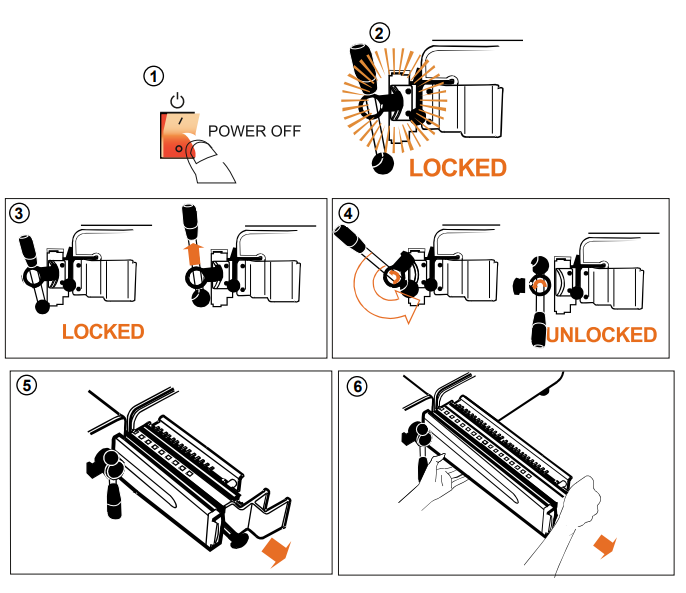
Punch pins last years but eventually wear out. Knowing when to replace them is key.
Pin Lifespan Expectancy
Quality pins last for millions of strokes under proper care. Typical replacement happens every 3 to 7 years for office use. Heavy use may require replacement every 1 to 2 years.
Signs You Need New Pins
Look for torn hole edges instead of clean cuts. Increased force requirement is another sign. Degraded quality after cleaning and oiling indicates wear.
Sharpening vs Replacement Decision
Specialty shops offer sharpening services. However, sharpening often costs nearly as much as new pins. Replacement is usually more practical. For most brands like Akiles and GBC, replacement pins are affordable and easy to install.
Disassemble Safely for Internal Repairs
Only disassemble internal components when necessary. Follow guidance to avoid injury.
Deli Knife Set Disassembly
This applies to all Deli comb binders including E3871. Misalignment or injury can occur without proper procedure. Contact Deli Experts at delisupport@nbdeli.com. Watch official YouTube tutorials. Follow step-by-step video guides. Never force components. Reassembly errors cause jams.
General Safety Best Practices
Always unplug electric machines before inspection. Use compressed air instead of fingers to clear die channels. Wear safety glasses when cleaning or repairing. Keep your workspace clear of loose paper and chad.
Frequently Asked Questions About Binding Machine Repair
Why does my binding machine jam at the same point every time?
A piece of chad is likely wedged sideways in the die channel. Inspect the die opening and use a thin pick or compressed air to dislodge the obstruction. This is a very common and easily fixable issue.
How often should I lubricate my manual binding machine?
Apply one drop of light machine oil to each punch pin shaft quarterly. Clean the die channel thoroughly before lubricating. Avoid over-lubricating as excess oil attracts dust and causes buildup.
Can I repair oval or slotted holes myself?
No, these indicate mechanical wear like loose or bent punch pins. You cannot fix this with operator adjustments. The die requires professional service or replacement to prevent further damage.
Why do pages pull free from thermal bindings?
This usually means incomplete adhesive activation. Ensure the machine reaches full temperature before use. Verify you are using the correct strip size for your document thickness. Use CP strips for coated paper.
When should I replace punch pins instead of sharpening them?
Replace pins if hole edges are torn or force increases despite cleaning. Sharpening often costs nearly as much as new pins. Replacement is typically more practical for standard brands.
What causes inconsistent hole positions in my documents?
Inconsistent seating of paper or a loose depth guide causes variable holes. Train users to seat paper firmly against the guide. Tighten the guide lock mechanism if it feels loose during operation.
Key Takeaways for Effective Binding Machine Repair
Successful binding machine repair starts with accurate diagnosis and regular maintenance. Most issues like jams and alignment errors stem from user error or minor wear. Simple steps like cleaning chad trays and adjusting depth guides solve most problems.
Replace worn pins and follow the 50 percent rule for major repairs. Trusted providers like Finitura and GBC offer support when DIY fixes fail. Keep your equipment running efficiently by following these maintenance routines.