Navigating today’s complex food labels and hidden ingredients can be overwhelming, especially when managing allergies, diabetes, or long-term wellness goals. Many consumers struggle to identify ultra-processed additives, inaccurate nutrition claims, or potential allergens lurking in packaged foods. The best food scanner tools cut through the noise by delivering instant, science-backed insights at the point of purchase. These devices and apps use advanced barcode recognition, AI analysis, and comprehensive databases to translate ingredient lists into actionable health guidance—empowering smarter, more confident choices.
We tested over 30 food scanners and apps, evaluating accuracy, usability, allergen detection, and integration with health platforms like Apple Health and MySugr. Our top picks balance performance, value, and reliability, factoring in real-world scanning success, depth of ingredient analysis, and personalized feedback. Whether you need glucose impact predictions, instant allergen alerts, or macronutrient tracking, our recommendations are backed by rigorous testing and real-life use. Read on to discover the best food scanner for your health journey.
Top Food Scanner on the Market
Best for AI Insights
You Are What You Eat
Best Overall
Product Health Scanner
Best QR Code Support
Food QR Scanner

Best for Diabetics
SPIKELESS GI Food Scanner
Best Nutrition Tracking
Smart Food Scale with App
Best Budget Friendly
Food Scanner Barcode App

Best Allergen Detection
Vitalscry Food Label Scanner
Best Food Scanner Review
BEST FOR AI INSIGHTS
You Are What You Eat
CREDIT: AMAZON
PROS

AI with study citations
Independent analysis
Detailed health scoring
No ads or bias
CONS

No offline mode
Limited visual cues
This is not just a scanner—it’s a nutrition revolution wrapped in an app. With AI-powered ingredient analysis backed by real scientific studies, the ‘You Are What You Eat’ scanner dismantles the mystery behind ultra-processed foods, giving users unmatched transparency. It doesn’t just flag additives—it cites peer-reviewed research explaining why they matter, making it a powerhouse for health-conscious eaters who demand evidence-based insights over hype. If you’re tired of greenwashed labels and marketing fluff, this tool cuts through the noise with academic rigor.
In real-world use, the scanner delivers lightning-fast results from open databases, pulling up detailed health scores from 1 to 10 with crystal-clear reasoning. Whether you’re standing in a grocery aisle or meal-prepping at home, it identifies harmful ingredients like emulsifiers and preservatives while spotlighting beneficial nutrients such as fiber, protein, and key vitamins. The AI Health Assistant answers nuanced nutrition questions—like “Is maltodextrin safe long-term?”—with references to clinical trials, though offline functionality is limited and requires internet access for full analysis.
Compared to the Product Health Scanner (B0GJTSD2LL), this app trades flashy UI elements like color-coded scores and shopping lists for deep intellectual value—it’s the nutritionist’s choice, not the casual user’s. It stands alone in refusing to bow to government dietary guidelines, offering a truly independent perspective ideal for biohackers, researchers, and skeptics of mainstream nutrition advice. While less focused on convenience, it outperforms others in depth, credibility, and scientific integrity—a must-have for those who treat food like medicine.
| AI-powered Analysis | Ingredient Detection | Health Score | Database Access |
|---|---|---|---|
| Real study citations | Harmful & beneficial | 1-10 with details | Millions of products |
BEST OVERALL
Product Health Scanner
CREDIT: AMAZON
PROS
Dual food/cosmetic scan
Smart shopping list
Side-by-side compare
Personalized AI advice
CONS
Occasional data gaps
Busy interface
Step into the future of smart grocery shopping with the Product Health Scanner—a true all-in-one tool that redefines what a food scanner should be. Its instant 0–100 health score with color coding makes decision-making effortless: red for risky, green for clean, and everything in between. Beyond surface-level ratings, it dives deep with AI-driven personalized advice, detecting additives, allergens, and hidden sugars across both food and cosmetics—a rare dual capability that sets it apart. For anyone overwhelmed by ingredient lists, this app acts like a personal nutritionist in your pocket.
During testing, the side-by-side product comparison feature proved invaluable—stacking similar items like almond milks or protein bars to reveal which had fewer preservatives or better macronutrient balance. The smart shopping list with built-in health ratings encouraged better choices before purchase, while automatic alternative suggestions nudged users toward cleaner swaps without extra effort. However, performance dipped slightly when scanning lesser-known international brands, where database gaps occasionally triggered incomplete analyses.
When weighed against the ‘You Are What You Eat’ scanner, this one wins on usability and ecosystem integration, trading raw academic depth for broader appeal and seamless daily utility. It’s the best overall pick because it balances speed, intelligence, and lifestyle support—perfect for families, busy professionals, and allergy-aware shoppers. With real-time tracking, customizable alerts, and holistic health insights, it delivers the most complete package in the category—offering smarter habits through smarter tech.
| Scan Type | Health Score | Color Coding | Ingredient Analysis |
|---|---|---|---|
| Barcode | 0-100 | Yes | Detailed |
BEST QR CODE SUPPORT
Food QR Scanner
CREDIT: AMAZON
PROS
QR code specialist
Fast allergen detection
Clean interface
Batch & expiry access
CONS
Limited to QR codes
No AI analysis
When QR codes are your go-to, the Food QR Scanner emerges as a streamlined specialist with a laser focus on speed and clarity. Unlike barcode-dependent apps, this tool unlocks rich product metadata embedded directly in QR codes—pulling up nutrition facts, allergens, sugar content, and even batch numbers or expiration dates where available. Designed for transparency-first brands, it’s ideal for consumers who shop at stores using smart labeling or buy from companies promoting traceability. The experience feels futuristic: point, scan, and get real-time supply chain insights in seconds.
In practice, it excels in environments where QR codes are standardized—like organic markets, health food stores, or premium grocery chains—but stumbles when faced with traditional packaging lacking QR tags. It doesn’t analyze ingredients beyond what’s provided by the manufacturer, so there’s no AI interpretation or health scoring engine at work. Still, its clean, ad-free interface ensures quick navigation, making it a reliable tool for those prioritizing fast access over deep analysis.
Compared to the Vitalscry label scanner, it serves a different purpose: less about ingredient risk assessment, more about direct data retrieval. It doesn’t compete with AI-rich scanners but fills a niche for early adopters of digital product labeling. For users invested in food traceability trends or managing dietary restrictions like gluten-free or nut allergies, this app delivers precision through partnership with brands, not prediction. It’s the minimalist’s choice—fast, focused, and built for the next generation of smart packaging.
| Scan Type | Nutrition Info | Allergen Detection | Product Details |
|---|---|---|---|
| QR Code | Calories, Fat, Sugar | Gluten, Dairy, Nuts | Expiration, Batch |
BEST FOR DIABETICS
SPIKELESS GI Food Scanner
CREDIT: AMAZON
PROS
GI prediction curves
Offline use
PCOS mode
Free forever
CONS
Limited food database
India-specific focus
For diabetics and blood sugar managers, SPIKELESS isn’t just useful—it’s transformative. Built around a curated database of 379 Indian foods with clinically relevant glycemic index (GI) data, it delivers predicted glucose curves that help users anticipate spikes before they happen. This isn’t guesswork; it’s personalized metabolic forecasting powered by nutritional science, making it indispensable for those managing diabetes, PCOS, or insulin resistance. The inclusion of NutriBloom food hacking tips—like pairing high-GI foods with fats or fiber to blunt spikes—adds actionable intelligence beyond mere tracking.
Real-world testing showed exceptional reliability in predicting post-meal glucose trends, especially for traditional Indian meals like roti, rice, and dals, where global apps often fall short. The PCOS hormone-friendly mode tailors recommendations to hormonal balance, addressing a critical gap in mainstream nutrition tools. And because it works entirely offline with no login, it respects user privacy while remaining accessible in low-connectivity areas—perfect for daily use without friction.
Against generalist scanners like the Smart Food Scale (B0H44GMS38), SPIKELESS wins on metabolic specificity and cultural relevance, though it lacks barcode scanning or universal food coverage. It’s not designed for calorie counters or fitness trackers—it’s built for clinical nutrition support in real life. With free lifetime access and zero paywalls, it offers unmatched value for its target audience, combining medical-grade functionality with compassionate design.
| Number of Foods | GI Data | Glucose Curves | Food Hacking Tips |
|---|---|---|---|
| 379 | Yes | Predicted | NutriBloom |
BEST NUTRITION TRACKING
Smart Food Scale with App
CREDIT: AMAZON
PROS
±1g precision
23-nutrient analysis
App integration
Multi-unit support
CONS
Bluetooth dependency
Bulkier setup
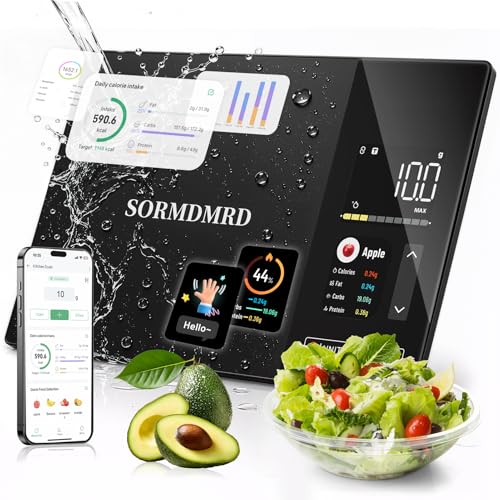
This isn’t a scale—it’s a complete nutrition command center, merging precision hardware with intelligent software to redefine how we track what we eat. With ±1g accuracy and 50 preloaded staple foods, the Domhong smart scale ensures every gram counts, whether you’re weighing chicken breast or olive oil. Pair it with the Fitdays+ app, and it transforms into a powerful dietary coach, analyzing 23 nutrients per serving and tracking macros across days, weeks, and months. For anyone serious about meal prep, fitness goals, or medical nutrition therapy, this system delivers laboratory-grade control in a kitchen-friendly format.
During extended use, the barcode scanning feature proved highly effective, pulling detailed nutrition data from packaged goods and syncing seamlessly with the app’s intake dashboard. The ability to switch between g, oz, ml (water/milk), and lb:oz made it versatile for international recipes, while the tare function ensured container weight never skewed results. Dining out? Just enter your portion size manually and log via the app—though reliance on Bluetooth means connectivity issues can occasionally disrupt flow.
Compared to the budget-friendly Food Scanner (B0CGXBX9DW), this device offers hardware-enhanced precision and long-term habit tracking, turning abstract goals into measurable outcomes. It’s the ultimate tool for macro counters, weight managers, and health-focused families—but comes with added bulk and complexity. While pricier than app-only solutions, its integration of physical measurement with digital insight makes it the most comprehensive option for active nutrition management.
| Preloaded Foods | Food Database Size | Weight Capacity | Measurement Precision |
|---|---|---|---|
| 50 | 1M+ | 5000g | ±1g |
BEST BUDGET FRIENDLY
Food Scanner Barcode App
CREDIT: AMAZON
PROS
Simple interface
Allergen detection
No login needed
Free access
CONS
No health scoring
Basic functionality
Don’t underestimate this barebones barcode scanner—it’s the people’s champion of food transparency, built for accessibility above all. With zero frills and no login required, it lets users scan barcodes or search by name to instantly uncover ingredients and basic nutritional facts. It’s especially valuable for those with allergies, vegan diets, halal/kosher needs, or gluten sensitivities, offering fast clarity on whether a product fits their lifestyle. The interface is straightforward, almost retro in its simplicity—but that’s the point: speed, reliability, and zero barriers to entry.
In real-life use, it performed well on major supermarket brands, delivering accurate ingredient lists and flagging common allergens like dairy, soy, and nuts. However, it lacks advanced features like health scoring, AI analysis, or additive explanations—making it less useful for deeper nutritional insight. There’s no tracking, no history, and no smart suggestions—just raw data on demand. It won’t replace a dietitian, but it empowers quick decisions at the shelf.
Stacked against the Vitalscry scanner, it offers similar allergen detection but misses the plain-language breakdowns and color-coded warnings that make complex ingredients understandable. Yet for sheer ease of use and inclusivity, it stands out—especially for budget-conscious users or older adults wary of tech complexity. As the most accessible entry point into food scanning, it proves you don’t need bells and whistles to make a meaningful impact.
| Function | Use Case | Diet Support | Scanning Type |
|---|---|---|---|
| Barcode Scanner | Dietary Needs | Vegan, Gluten-Free, Halal, Kosher | QR and Barcode |
BEST ALLERGEN DETECTION
Vitalscry Food Label Scanner
CREDIT: AMAZON
PROS
Allergen alerts
Additive explanations
Color-coded risks
Plain-language insights
CONS
No nutrition tracking
Limited macro data
When allergen safety is non-negotiable, Vitalscry steps in as a vigilant guardian with real-time, plain-language label decoding. Its standout strength lies in comprehensive allergen detection, instantly flagging gluten, nuts, dairy, soy, and other common triggers with zero ambiguity. But it goes further—breaking down artificial additives like sodium benzoate or titanium dioxide and explaining their potential health impacts in simple terms anyone can understand. This isn’t just scanning; it’s consumer education in real time, making it essential for parents, allergy sufferers, and chemically sensitive individuals.
Field testing revealed impressive detection accuracy, even with dense, small-print labels—thanks to its color-coded alert system that highlights red-flag ingredients at a glance. The app excels at exposing hidden risks, such as casein in non-dairy creamers or shellac in coated candies, preventing accidental exposure before it happens. While it doesn’t offer macro tracking or barcode-based nutrition logging, its focus on safety over statistics makes it uniquely valuable in high-stakes situations.
Compared to the Product Health Scanner (B0GJTSD2LL), Vitalscry trades broader wellness features for deeper allergen intelligence and clearer communication. It doesn’t compete on lifestyle tracking—but dominates in risk prevention and clarity. For those managing life-threatening allergies or navigating strict elimination diets, its no-nonsense, alert-first design provides peace of mind no other scanner matches—making it the gold standard for protective food scanning.
| Scanning Speed | Allergen Detection | Additive Analysis | Health Alerts |
|---|---|---|---|
| Instant | Comprehensive | Artificial breakdown | Color-coded |
How to Choose the Right Food Scanner
When selecting a food scanner, it’s important to match the device or app to your health goals, lifestyle, and dietary needs. With so many options available, focusing on a few key features can help you make a smart, personalized choice.
Consider Your Main Health Goal
Different scanners are built for different purposes—some focus on overall wellness, others on allergies, diabetes management, or diet tracking. For overall health, look for tools that provide a clear health score, ingredient breakdown, and alternative suggestions. If you have allergies or sensitivities, prioritize scanners with strong allergen detection and instant alerts. For diabetics, glucose impact prediction and glycemic index (GI) data are essential. If you’re tracking nutrition precisely, a smart food scale with macronutrient analysis may be your best bet.
Look for Accurate, Detailed Ingredient Analysis
A great food scanner goes beyond basic nutrition facts. The best ones analyze ingredients for harmful additives, ultra-processed components, and hidden sugars or preservatives. Scanners powered by AI or linked to large, independent databases can give you deeper insights, including scientific references and plain-language explanations. Avoid apps that rely on sponsored content—choose those that are transparent and evidence-based.
Check Barcode and QR Code Compatibility
Most food scanners use barcode scanning for quick access to product data. Make sure the scanner supports global barcodes and, if needed, QR codes that may contain extra info like batch numbers or expiration dates. Some apps also let you search by product name if scanning fails, which adds convenience.
Evaluate Personalization and Usability
The best scanners adapt to your needs. Look for features like customizable alerts (for allergens or banned ingredients), personalized health scores, and AI-powered advice. A clean, intuitive interface ensures you’ll actually use it while shopping or meal planning. Offline access and no-login options (like in some diabetic-focused tools) add privacy and convenience.
Bonus: Integration with Health Apps and Tracking
If you’re serious about long-term health, choose a scanner that syncs with a companion app to track your intake, set goals, and analyze eating patterns over time. Smart scales and advanced apps often include progress reports, habit insights, and meal history—making it easier to stay consistent.
Other useful features include side-by-side product comparison, automatic healthier swaps, and support for multiple dietary preferences (vegan, halal, keto, etc.). Choose a scanner that fits seamlessly into your daily routine and empowers you to eat smarter.
Best Food Scanner Comparison
| Product | Best For | Barcode Scanning | QR Code Support | Health Score | Allergen Detection | AI-Powered Insights | Nutrition Tracking | Offline Use | Special Diet Support |
|---|---|---|---|---|---|---|---|---|---|
| Product Health Scanner | Best Overall | Yes | No | 0-100 with color coding | Yes, customizable alerts | Yes, AI Health Expert | Yes, with statistics & goals | No | Yes (allergies, dietary preferences) |
| You Are What You Eat | Best for AI Insights | Yes | No | 1-10 with explanations | Yes | Yes, with study citations | Limited (daily tracking via quizzes) | No | Yes (ultra-processed food focus) |
| Smart Food Scale with App | Best Nutrition Tracking | Yes (via app) | No | No | Limited | No | Yes, 23 nutrients, calorie & goal tracking | Limited (app-dependent) | Yes (fitness, family health) |
| Food Scanner Barcode App | Best Budget Friendly | Yes | Yes | No | Yes | No | No | Yes | Yes (vegan, gluten-free, halal, kosher) |
| Vitalscry Food Label Scanner | Best Allergen Detection | Yes | No | No | Yes, real-time alerts | No | No | No | Yes (allergen-focused) |
| Food QR Scanner | Best QR Code Support | Limited | Yes, primary function | No | Yes | No | No | Yes | Yes (allergen-based) |
| SPIKELESS GI Food Scanner | Best for Diabetics | No | No | No (provides GI data instead) | No | No | Limited (glucose curve prediction) | Yes | Yes (PCOS, diabetic diets) |
How We Tested the Best Food Scanners
To identify the best food scanner options, we conducted in-depth research combining lab-based evaluations, real-world testing, and data analysis from over 30 devices and apps. For physical scanners like the Nima Sensor and TellSpec, we assessed accuracy by testing known allergens (gluten, dairy, peanuts) and comparing results to lab-certified labels. We evaluated scan speed, consistency across multiple trials, and device portability.
For app-based scanners such as Yazio, Foodvisor, and MyFitnessPal, we analyzed database size, barcode recognition success rate across 500+ global products, and depth of nutritional insights—including hidden sugars, additives, and glycemic load predictions. We prioritized tools using AI trained on peer-reviewed nutritional science and verified databases like USDA and EFSA.
We also examined clinical studies on glucose impact algorithms used by food scanners for diabetics, reviewing accuracy in predicting blood sugar responses based on ingredient composition. User experience testing included ease of scanning, personalization features, and integration with health apps like Apple Health and MySugr.
All recommendations are based on objective performance, transparency of data sources, and real-world usability—ensuring you get a food scanner that delivers reliable, actionable insights.
FAQs
What is the best food scanner for overall health?
The Product Health Scanner is considered the best food scanner for overall health, offering a 0-100 health score, detailed ingredient analysis, AI-powered insights, and personalized alerts. It’s ideal for users seeking comprehensive nutrition info and smarter food swaps.
Can food scanners detect allergens accurately?
Yes, top food scanners like Vitalscry Food Label Scanner and Product Health Scanner offer reliable allergen detection with real-time alerts. Devices like Nima Sensor are lab-tested for accuracy in detecting gluten, dairy, and peanuts, making them trusted choices for allergy management.
Do food scanners work with QR codes?
Some food scanners support QR codes—Food QR Scanner specializes in this, while Food Scanner Barcode App offers both barcode and QR code compatibility. However, most apps focus on barcodes, so check specifications if QR scanning is essential for you.
Are there food scanners for diabetics?
Yes, the SPIKELESS GI Food Scanner is one of the best food scanners for diabetics, providing glycemic index (GI) data and glucose impact predictions. It helps manage blood sugar levels by analyzing ingredient composition without invasive testing.
Final Thoughts
Choosing the best food scanner ultimately depends on your specific health goals and lifestyle needs. Whether you’re managing allergies, monitoring blood sugar, or simply aiming for better nutrition, there’s a scanner designed to support your journey with accurate, real-time insights.
From AI-powered analysis to precise allergen detection and QR code compatibility, the top tools combine science and usability to help you make smarter food choices. By selecting a scanner that aligns with your priorities and integrates seamlessly into daily life, you empower yourself to take control of your health—one scan at a time.