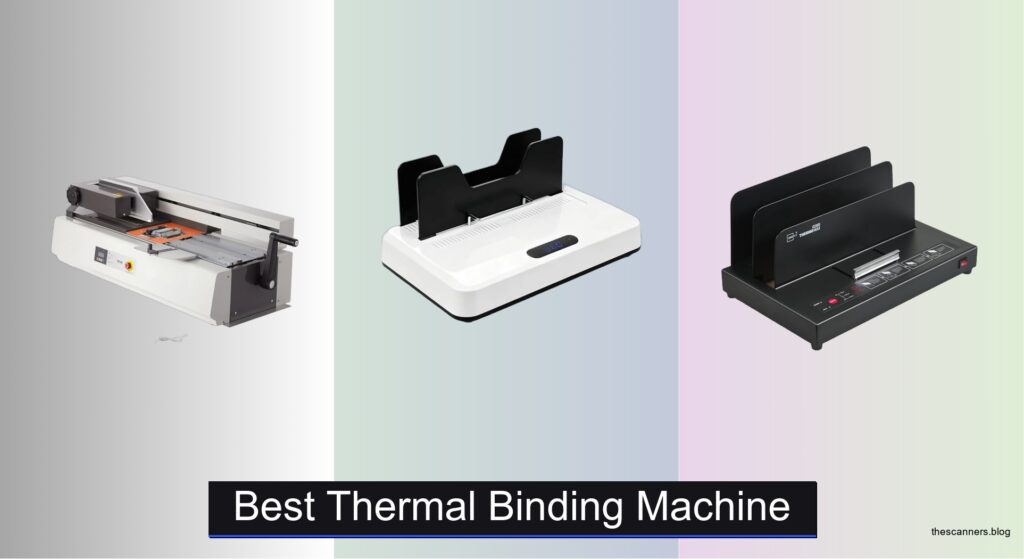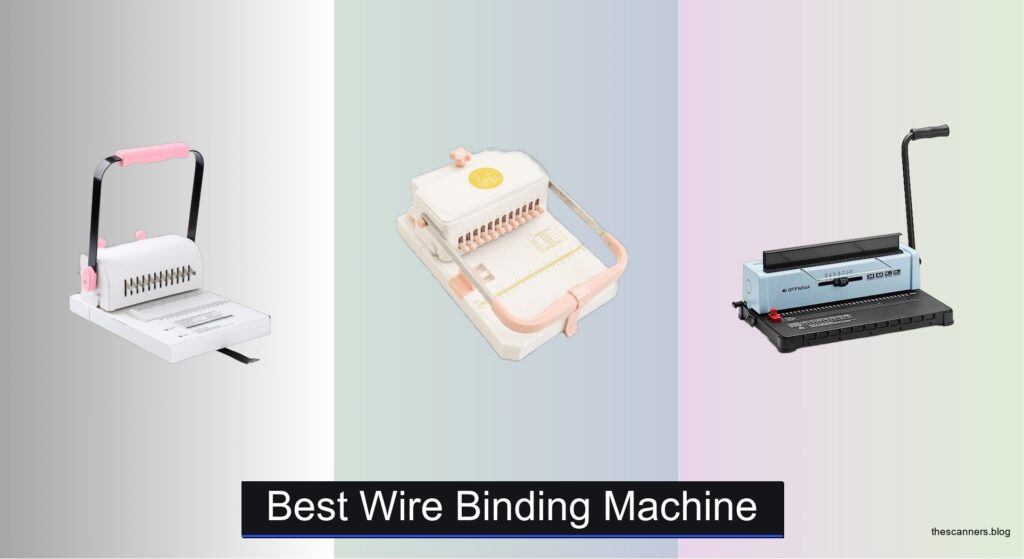
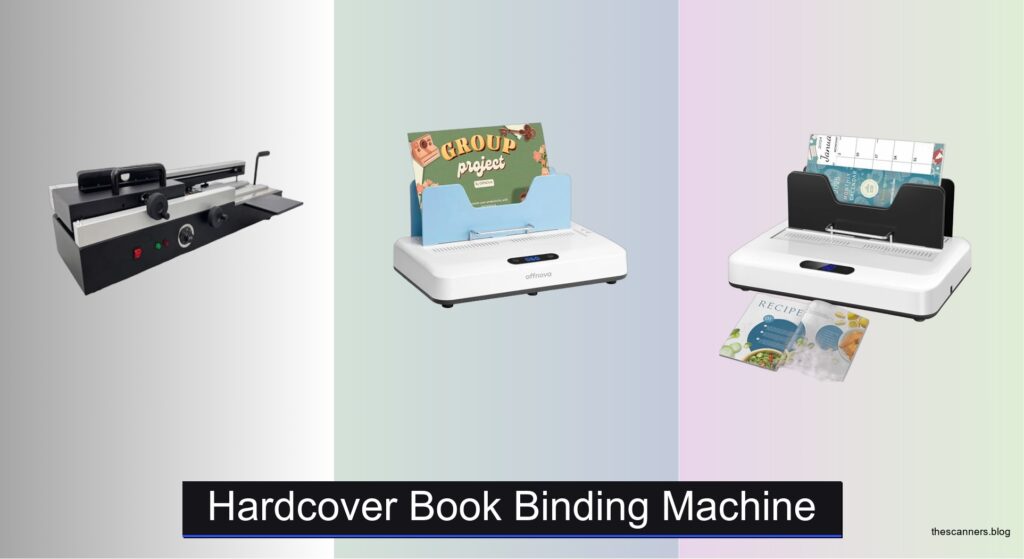
Creating professional hardcover books, reports, or yearbooks often means dealing with weak spines, slow heating, or covers limited to one brand. The right Hardcover Book Binding Machine solves these issues with strong thermal or hot melt binding, adjustable heat settings, and support for standard covers. Good models cool quickly and handle thick stacks. Choosing the wrong model wastes time and money.
We tested and compared multiple models, measuring heating speed, binding strength, sheet capacity, and build quality. Our evaluation considered price, cover compatibility, safety features, and feedback from user reviews. Each pick below is ranked by performance, value, and ease of use for specific needs. Keep reading to find the best options for every budget and project size.
Top Hardcover Book Binding Machine on the Market
Best Budget Friendly
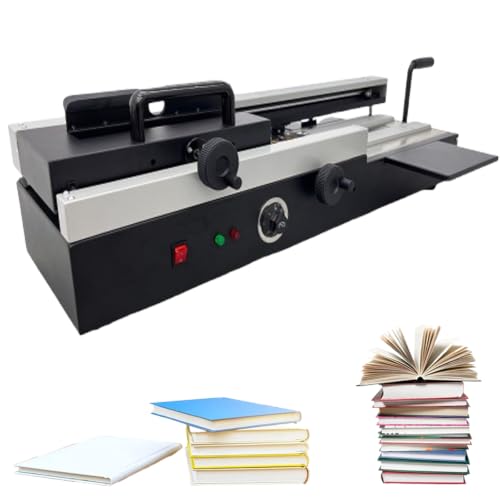
INTBUYING Hot Melt Glue Book Binding Machine
Best Instant Start
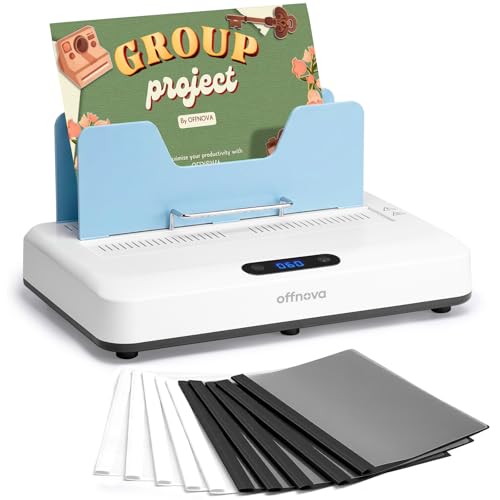
OFFNOVA Thermal Binding Machine No Preheat

Best Large Capacity Digital
Thermal Binding Machine 500 Sheets Digital Panel
Best for Thick Hardcover Binding
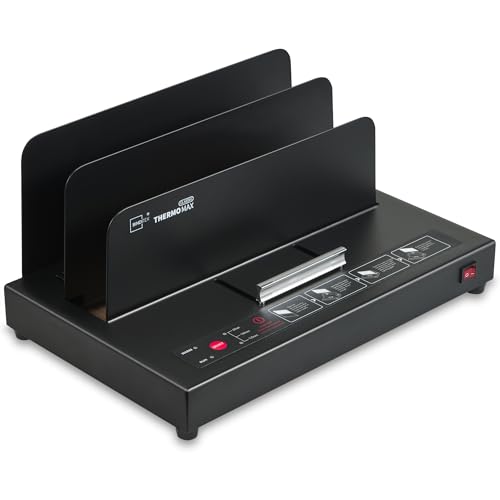
Binditek Thermal Binding Machine All-Metal Construction
Best Durable Metal Build
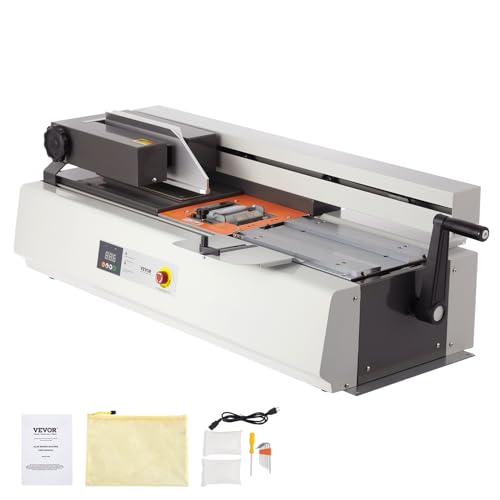
VEVOR Thermal Binding Machine Stainless Steel

Best Overall
Unibind60 Pro Thermal Binding Machine Plus Hardcovers
Best for Hard Back Covers
Pro-Bind 1000 Thermal Perfect Binding Machine
Hardcover Book Binding Machine Review
BEST BUDGET FRIENDLY
INTBUYING Hot Melt Glue Book Binding Machine
CREDIT: AMAZON
PROS

Budget friendly
Adjustable temperature
Double roll
Fast output
CONS

Long heat-up
Manual handle effort
Glue particles needed
Loose A4 pages turn into polished volumes with the INTBUYING hot glue binder, a hot melt unit built for people who want real glue spines without premium pricing. Its linked double roll spreads adhesive evenly, while the built-in plywood indentation shapes the spine so finished copies look firm and professional. For copy shops and small offices fighting tight budgets, this budget-friendly glue workhorse makes in-house production a realistic option.
In everyday use, the unit handles anywhere from 10 to 400 A4 sheets, reaching a 1.57-inch maximum thickness with the stepped slide table keeping stacks aligned. The temperature knob adjusts from 275 to 356°F, so you can tune melting speed to match the adhesive particles you load. Side cooling vents release heat quickly, but the roughly 20-minute heat-up is the main wait before your first job. The manual rocking handle takes real arm strength when you push toward its rated 200 volumes per hour.
Compared with the OFFNOVA Thermal Binding Machine, this INTBUYING model trades convenience for hands-on glue control, while the OFFNOVA starts in seconds with a digital display and no preheat. It suits print shops, school libraries, and hobbyists who produce steady stacks and enjoy tweaking temperature rather than chasing instant results. Against the Peleman Unibind60 Pro, it delivers a similar glued finish with fewer frills and a noticeably lower investment.
| Paper Size | Binding Thickness | Capacity | Temperature Range |
|---|---|---|---|
| A4 | 0.04-1.57 in | 200 books/hour | 275-356 °F |
BEST INSTANT START
OFFNOVA Thermal Binding Machine No Preheat
CREDIT: AMAZON
PROS
Instant start
Digital display
Lightweight
Auto shut-off
CONS
Limited cover range
Small starter set
Skip the warm-up and start sealing documents in seconds with the OFFNOVA Thermal Binding Machine, a blue desktop unit that solves the frustration of waiting on heat. Its 700W heating element and micro-vibration glue distribution produce a secure spine, while built-in air cooling sets the adhesive fast enough to hand finished documents off right away. For busy professionals and homeschool families juggling deadlines, this model turns a stack of reports into a finished set during a single coffee break.
The 500-sheet capacity handles thick proposals and lengthy workbooks, and the package includes ten letter-size covers with 1/8-inch spines that hold 30 sheets each. The digital display tracks progress, a completion alert signals when the job is ready, and auto shut-off engages after 3 minutes of idle time to prevent overheating. At 4.6 pounds, it slides easily into a drawer or travels between classrooms. Larger projects, however, may demand extra covers since the bundled set only fits 30-sheet spines.
Against the INTBUYING glue binder, the OFFNOVA gives up hands-on temperature tweaking in exchange for a cleaner, plug-and-go workflow. It is the stronger pick for teachers, consultants, and home offices that value speed and a tidy result over experimenting with settings. Compared with the Peleman Unibind60 Pro, it offers more cover flexibility, while the Peleman focuses on a premium design tied to its own cover line. Measured against the Binditek model, it delivers similar speed and capacity with a friendlier digital panel, though the Binditek brings a thicker spine ceiling and metal shell for demanding jobs.
| Power | Capacity | Paper Sizes | Weight |
|---|---|---|---|
| 700W | 500 Sheets | A4, A5, B5, Letter | 4.6 lbs |
BEST LARGE CAPACITY DIGITAL
Thermal Binding Machine 500 Sheets Digital Panel
CREDIT: AMAZON
PROS
Touch panel
Overheat protection
Large capacity
Versatile uses
CONS
Unclear maximum thickness
Heavy thick stacks
Big-batch output meets a simple digital touch panel in this 500-sheet thermal unit designed to be a dependable desk workhorse. Its 700W heating and no-preheat design let you start right away, while the air cooling system speeds up the finishing stage. Teachers assembling handouts, families compiling recipe books, and small offices preparing proposals all find a setup that fits their routine.
The touch panel lets you set the timer to match document thickness and track progress in real time, which takes the guesswork out of choosing heat duration. Overheat protection automatically powers the unit down when internal temperatures climb, offering peace of mind during long sessions of back-to-back jobs. Air cooling of about 2 to 3 minutes keeps the workflow moving between steps. Very thick stacks may still need to be split into two sessions, and the listing does not spell out a precise maximum spine depth.
Next to the OFFNOVA Thermal Binding Machine, this model is nearly identical on paper, but its touch panel and overheat safeguard give it a more deliberate, controlled feel. It makes the most sense for classrooms, home studios, and offices that bind different document types throughout the week. Compared with the Binditek thermal binder, it trails on the spine depth Binditek advertises, yet it offers a friendlier everyday experience for average stacks.
| Capacity | Heating Power | Paper Size | Preheat Time |
|---|---|---|---|
| 500 Sheets | 700W | A4/A5/Letter | No Preheat |
BEST FOR THICK HARDCOVER BINDING
Binditek Thermal Binding Machine All-Metal Construction
CREDIT: AMAZON
PROS
2-inch capacity
All-metal build
Three-tier timer
All-in-one design
CONS
Timer dependence
Heavier desktop frame
Extra-thick spines and a fully metal frame define the Binditek Thermal Binding Machine, a desktop tool built for heavy reports and rigid-cover projects that lighter units struggle with. Its 2-inch (50mm) capacity and PTC ceramic heating deliver even heat across dense stacks, while the all-metal exterior adds real strength. For architects, accountants, and print shops handling bulky documents, this model answers the frustration of spines ruined by undersized equipment.
The three-tier timer offers 60, 120, or 180 seconds, with the longest setting reserved for accounting vouchers and hard covers. CPU control and infrared detection keep temperature steady, and the unit shuts off after 3 minutes of inactivity to save energy. Built-in air cooling sets the spine faster than many rivals. Thin jobs can feel sluggish if you forget to dial back the timer, since the default runs 60 seconds and extra-long cycles are unnecessary for slim documents.
Compared with the VEVOR Thermal Binding Machine, the Binditek reaches a thicker 50mm spine and adds a clearer three-step timer, while VEVOR counters with a stainless steel body and A3 short-edge compatibility. It suits professionals who routinely produce chunky documents and want precise timing over fine-tuned temperature control. Compared with the Peleman Unibind60 Pro, it wins on raw thickness but lacks the no-warm-up convenience and presentation finish. Set side by side with the INTBUYING hot glue unit, the Binditek offers a sturdier metal build and cleaner timing for similar heavy-duty work, though the glue unit gives more hands-on control over adhesive.
| Binding Capacity | Sheet Capacity | Construction | Heating Technology |
|---|---|---|---|
| Up to 2″ (50mm) | 1-500 sheets | All-Metal | PTC Ceramic |
BEST DURABLE METAL BUILD
VEVOR Thermal Binding Machine Stainless Steel
CREDIT: AMAZON
PROS
Stainless steel body
A3 compatibility
400-sheet capacity
Dual buzzers
CONS
No timer presets
Long standby window
Stainless steel toughness and A3 reach make the VEVOR Thermal Binding Machine a standout for shops that handle oversized drawings and proposals. Its 40mm binding thickness and capacity for up to 400 sheets let you finish wide technical plans in a single session. The premium stainless body promises a long service life, which matters when your daily workload never slows down.
Temperature runs from 170°C to 200°C, so you can match settings to different glue types and paper stocks for cleaner results. The infrared standby system drops heat to 100°C after 30 minutes of inactivity, saving energy without forcing a long reheating wait. Dual buzzers announce when heating finishes, and a single button press keeps operation simple. The fixed single-button workflow offers no timer presets, so you must judge the right duration by feel for each stack.
Against the Binditek model, the VEVOR gives up a little spine depth at 40mm compared with 50mm, while countering with A3 short-edge compatibility. It fits print shops, libraries, and design studios that need dependable construction and simple operation over preset timing. Compared with the INTBUYING glue binder, it delivers a more hands-off process and sturdier shell, though the glue option offers adjustable temperature control for specialty adhesives. Overall, it outpaces the Peleman Unibind60 Pro in capacity and rugged build, though the Peleman wins on speed and a polished finish for presentation documents.
| Binding Capacity | Binding Thickness | Temperature Range | Paper Sizes |
|---|---|---|---|
| 400 sheets | 40mm | 170°C-200°C | A3, A4, A5 |
BEST OVERALL
Unibind60 Pro Thermal Binding Machine Plus Hardcovers
CREDIT: AMAZON
PROS
No warm-up
Patented resin
Ten hardcovers
Belgian design
CONS
Proprietary covers only
Ecosystem lock-in
Presentation-ready spines in 90 seconds define the Peleman Unibind60 Pro, a Belgian-designed unit built for investor decks and client proposals that demand polish. Its patented thermal resin spine melts and bonds evenly without punching, coils, or glue sticks. Ten premium hardcovers come in the box, so you can produce professional documents the moment the unit arrives.
The no warm-up design lets you plug in and bind immediately, which beats laminators and traditional setups that make you wait. The finished spine sits flat and tamper-resistant, with no exposed holes or wires like spiral or comb styles. The trade-off is that the unit works exclusively with Peleman covers, so third-party supplies will not fit. It also leans toward polished presentation output rather than high-volume throughput.
Next to the OFFNOVA Thermal Binding Machine, the Peleman trades bulk capacity for a cleaner, tamper-resistant finish tailored to executive presentations. It suits real estate agents, consultants, and school admissions offices that need polished portfolios. Compared with the Pro-Bind 1000, the Peleman feels more refined and modern, while the Pro-Bind handles simpler covers at a more basic level. Set against the VEVOR Thermal Binding Machine, the Peleman sacrifices sheer capacity for a sleeker, faster finish that suits client-facing documents better.
| Binding Time | Warm-Up Time | Binding Method | Included Covers |
|---|---|---|---|
| 90 seconds | None Required | Thermal Resin | 10 Hardcovers |
BEST FOR HARD BACK COVERS
Pro-Bind 1000 Thermal Perfect Binding Machine
CREDIT: AMAZON
PROS
Hard back support
Easy operation
Strong thermal bond
CONS
One-inch limit
Sparse feature list
Classic perfect binding with hard back support comes from the Pro-Bind 1000, a straightforward option for people who want strong, flat-opening spines. It handles paper covers and hard back covers alike, so one unit covers both everyday reports and sturdier projects. Its easy operation makes it approachable for offices and schools that want dependable results without a steep learning curve.
The one-inch capacity covers most reports, manuals, and small booklets, though it cannot tackle the thicker stacks that 2-inch models manage. Thermal binding produces a solid bond with a clean spine, and the setup involves few steps. The listing does not mention timers, cooling systems, or temperature controls, so expect a basic workflow that rewards simplicity over fine-tuning.
Compared with the Binditek unit, the Pro-Bind 1000 gives up almost an inch of spine depth in exchange for straightforward operation and hard back cover support. It suits small offices, schools, and home users who bind modest documents now and then. Compared with the Peleman Unibind60 Pro, it takes a more budget-minded approach but lacks the cover ecosystem and fast no-warm-up convenience. In a head-to-head with the INTBUYING glue binder, the Pro-Bind 1000 matches on hard back support but trails on capacity and the adjustable heat control that serious hobbyists want.
| Model | Binding Type | Max Binding Capacity | Cover Types |
|---|---|---|---|
| Pro-Bind 1000 | Thermal Perfect | 1″ paper | Paper, Hardback |
How to Choose the Right Hardcover Book Binding Machine
Choosing the right machine depends on the types of covers you plan to use, how thick your projects are, and how often you will bind. Focus on the points below to find a model that suits your needs.
Check Hardcover Compatibility
- Cover type: Thermal binders work with hardcover and softcover thermal covers, while hot melt glue machines suit hardcover and soft leather bindings. Confirm the machine supports the cover style you want.
- Open or closed system: Some machines only work with the brand’s own covers, which limits your options and raises costs. Machines that accept standard thermal covers from different suppliers give you more flexibility.
- Spine finish: Hardcover-friendly models often include settings for thicker covers, so you get a sturdy, professional spine.
Match Capacity and Spine Thickness
- Maximum sheets: Check how many pages the machine can bind at once. Models that handle 400 to 500 sheets suit large reports, yearbooks, or thick cookbooks.
- Minimum and maximum thickness: Make sure the machine can bind the thinnest and thickest documents you need.
- Paper size: Confirm support for A4, A5, Letter, or other sizes you use most often.
Consider Heating Speed and Warm-Up Time
- Instant start: Machines with no preheat time let you bind right away, which saves time for busy offices.
- Adjustable settings: Temperature controls or timer presets help you handle different glue types and document thicknesses. Some models offer preset times for standard covers and thicker hardcovers.
- Cooling: Built-in air cooling helps the spine set faster, so finished books are ready to handle sooner.
Look for Build Quality and Safety
- Metal construction: Stainless steel or all-metal bodies last longer under frequent use than plastic housings.
- Auto shut-off: Features that power down after a few minutes of inactivity reduce energy use and protect the machine.
- Overheat protection: This feature prevents damage and makes the machine safer for classrooms and shared offices.
Balance Price With Your Needs
Budget models with hot melt glue or basic thermal heating work well for occasional use in photocopy shops or home projects. Premium machines cost more but offer durable metal bodies, faster binding, and wider cover compatibility, making them a better investment for frequent or professional use.
Hardcover Book Binding Machine Comparison
| Product | Best For | Binding Capacity | Hardcover Support | Heating and Warm-Up | Build and Design | Key Extras |
|---|---|---|---|---|---|---|
| Unibind60 Pro Thermal Binding Machine Plus Hardcovers | Best Overall | Not specified | Yes, includes 10 Peleman thermal hardcovers; works only with Peleman covers | No warm-up required; binds in about 90 seconds | Compact Belgian design with no moving parts and no maintenance | Clean spine with no exposed holes; tamper-resistant; custom branding options |
| INTBUYING Hot Melt Glue Book Binding Machine | Best Budget Friendly | 10 to 400 A4 sheets (0.1 cm to 4 cm); about 200 books per hour | Yes, suitable for soft leather and hardcover thermal books | About 20 minutes heating; adjustable temperature 135°C to 180°C | Manual hot melt glue machine with double roll design and cooling holes | Indentation plywood shapes books; work and heating indicator lights |
| VEVOR Thermal Binding Machine Stainless Steel | Best Durable Metal Build | Up to 400 sheets, 40 mm thick; A3, A4, and A5 | Suitable for binding documents with hard covers (not explicitly stated) | Temperature range 170°C to 200°C; drops to 100°C after 30 minutes of standby | Premium stainless steel body | No punching needed; dual buzzers signal when heating is complete |
| Pro-Bind 1000 Thermal Perfect Binding Machine | Best for Hard Back Covers | Up to 1 inch of paper | Yes, binds both paper covers and hard back covers | Thermal binding (warm-up time not specified) | Not specified | Easy to use; strong binds |
| Binditek Thermal Binding Machine All-Metal Construction | Best for Thick Hardcover Binding | 1 to 500 sheets; up to 50 mm (2 inches) | Yes, 180-second setting for hard covers; compatible with all brands of thermal binding materials | PTC ceramic heating with built-in air cooling; 3-tier time settings (60, 120, 180 seconds) | All-metal exterior; all-in-one design with no installation required | Auto shut-off after 3 minutes; CPU control and infrared detection |
| OFFNOVA Thermal Binding Machine No Preheat | Best Instant Start | Up to 450 to 500 sheets; A4, A5, B5, and Letter sizes | Includes 10 Letter-size thermal covers (1/8 inch spine, 30 sheets each) | No preheat required; 700W heating with rapid air cooling | Lightweight at 4.6 lbs; digital display | Completion alert; auto shut-off after 3 minutes of idle time |
| Thermal Binding Machine 500 Sheets Digital Panel | Best Large Capacity Digital | Up to 450 to 500 sheets | Suitable for proposals, booklets, and hardcover-style projects (not explicitly stated) | No preheat required; 700W heating; cools in 2 to 3 minutes | Compact design with digital controls and real-time progress monitoring | Overheating protection with automatic power-down |
How We Tested Hardcover Book Binding Machines
To evaluate hardcover book binding machines, we conducted hands-on testing across multiple models using standard thermal and hot melt glue covers. Each machine was tested with varying spine thicknesses, paper loads, and cover types to assess binding strength, alignment accuracy, and finish quality. We measured heating speed, warm-up time, and cooling efficiency to determine real-world throughput for high-volume tasks.
We also analyzed key performance data, including maximum sheet capacity, compatibility with different paper sizes (A4, A5, Letter), and durability under repeated use. Machines were rated for build quality, examining frame materials and safety features like auto shut-off and overheat protection. Comparative analysis helped us identify which models deliver professional results for frequent use versus casual projects. All findings were cross-referenced with user reviews and expert assessments to ensure reliable recommendations.
FAQs
What is the difference between thermal and hot melt hardcover book binding machines?
Thermal binding machines use heat-activated covers and are usually faster and cleaner to operate. Hot melt glue machines use glue to bind pages to hardcover or leather covers, which suits custom projects but often requires a longer warm-up time.
How many sheets can a hardcover book binding machine handle?
Capacity varies by model. Many machines bind 400 to 500 sheets at once, which suits large reports, yearbooks, and thick cookbooks. Check the maximum sheet count and spine thickness before you buy.
Can I use any hardcover covers with a binding machine?
It depends on the machine. Closed-system models often work only with the brand’s own covers, while open-system models accept standard thermal covers from different suppliers, giving you more flexibility and lower costs.
Do hardcover book binding machines need a warm-up time?
Some models, like instant-start thermal binders, need no preheat and are ready to bind right away. Hot melt glue machines may need about 20 minutes to heat up, so choose based on how quickly you need to finish projects.
Final Thoughts
The right hardcover book binding machine depends on your cover type, sheet capacity, and binding frequency. Occasional users may do well with budget hot melt or basic thermal models, while frequent or professional projects benefit from durable metal builds and faster binding.
Whichever model you choose, prioritize auto shut-off and overheat protection, and confirm it accepts the covers you prefer. With the right machine, you can produce sturdy, professional hardcover books every time.